Ceramic Coating vs. PPF: Which One Is Right for Your Car?
Two types of protection that solve two different problems. Here is how to figure out which one your car actually needs.
Ask us "should I get ceramic coating or PPF?" and we will ask you three questions back: Where does the car live? What does your biggest paint fear look like? And what is your budget? The answers usually decide it in under two minutes.
Here is the honest breakdown so you can walk into that conversation already knowing where you land.
What each one actually does
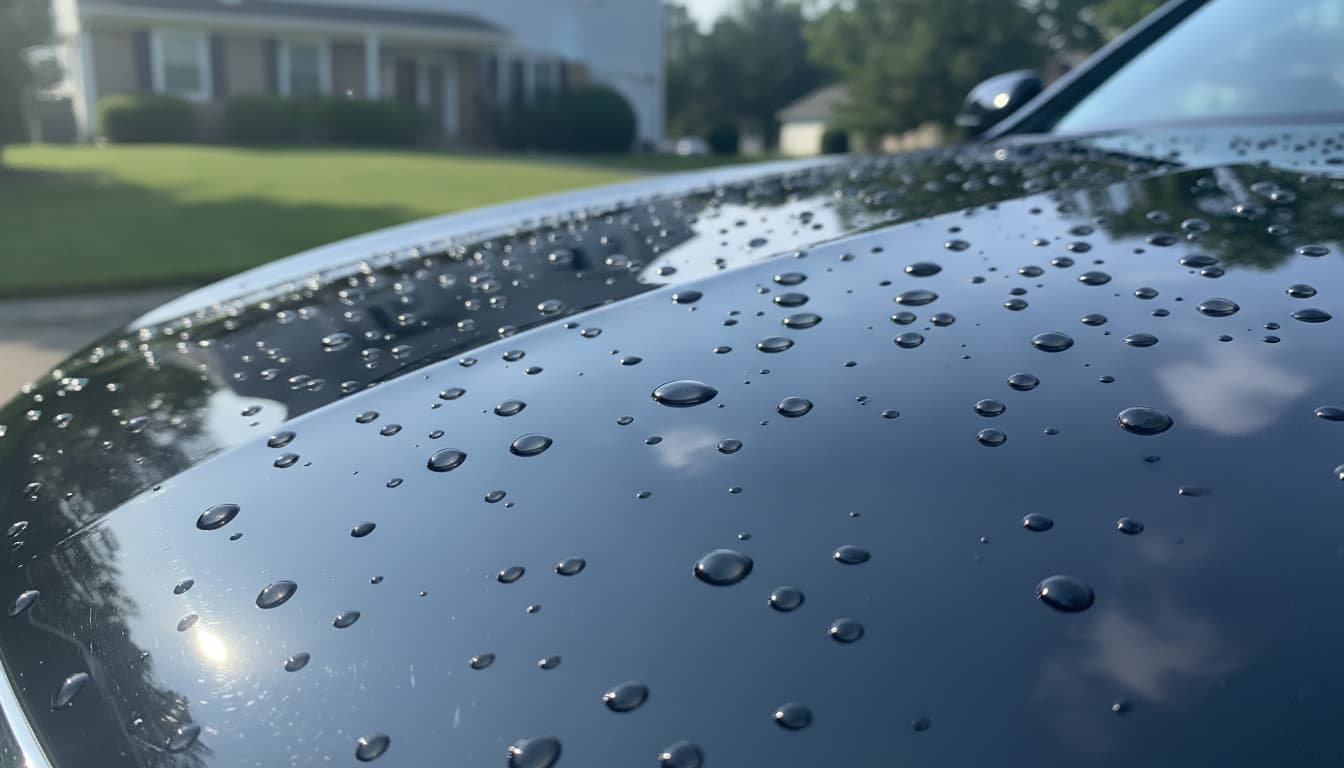
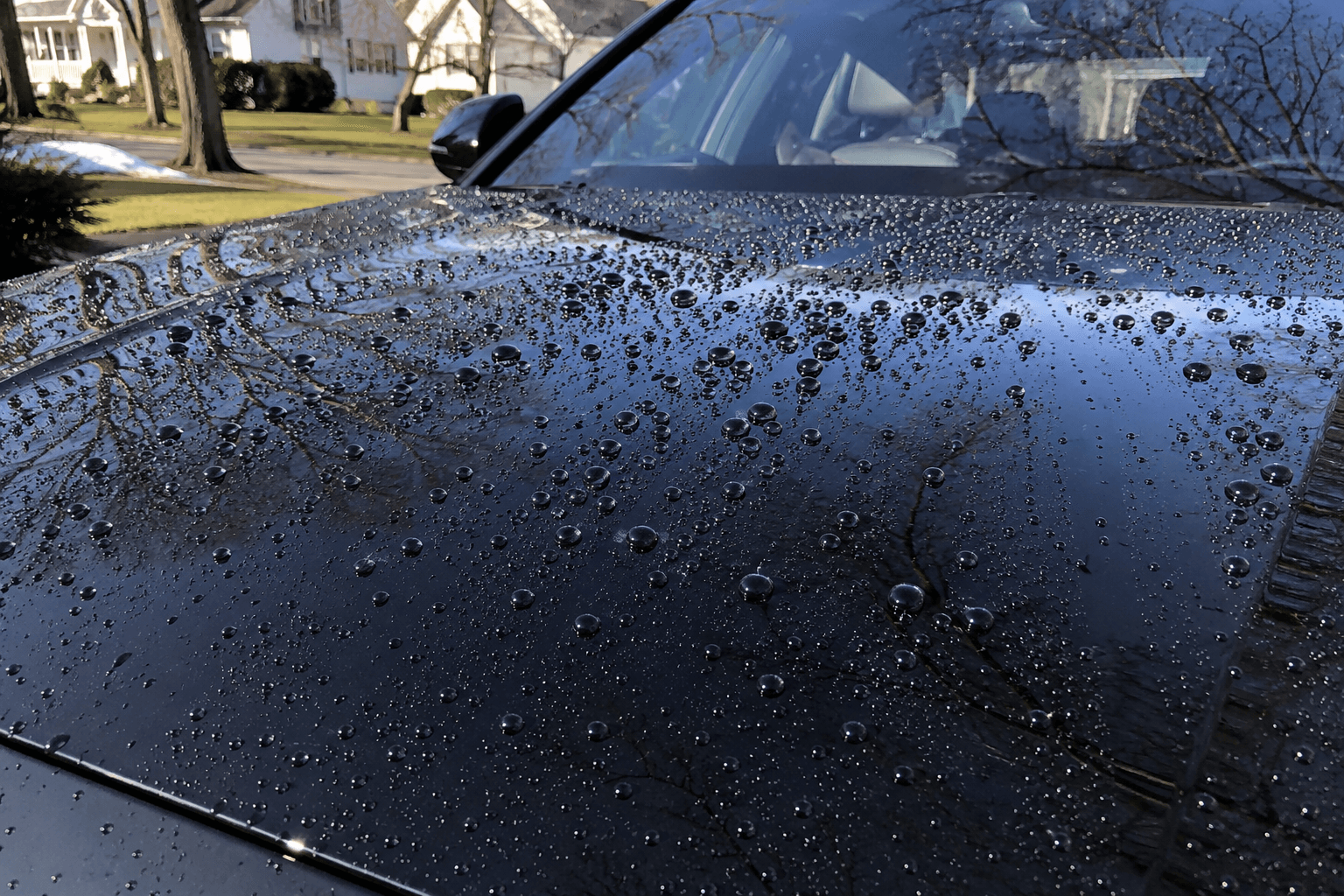
Ceramic coating is a liquid polymer that bonds chemically to your clear coat and cures into a hard, hydrophobic layer. Water beads and rolls off. Contaminants slide away instead of sitting and etching. The surface feels glassy. A coating does not add thickness you can feel with a fingernail - it is a chemical bond to the existing clear coat, not a film on top of it.
PPF (paint protection film) is a thick, self-healing urethane film applied directly over the paint. Where ceramic adds hardness and slickness, PPF adds a physical barrier. It absorbs rock chips and light scratches through a top layer that flows back into shape when exposed to heat. You can feel the film edge at panel boundaries on a properly installed job - that is not a flaw, it is evidence of real protection.
Both products protect paint. They do it differently, against different threats, at different price points.
What ceramic coating does well
A quality ceramic coating is the right answer for three things.
Chemical resistance. Acidic contaminants - bird droppings, tree sap, bug splatter - sit on the surface instead of etching through to the clear coat. You get more time to wash them off safely before they do damage. Our 6-year System X ceramic is the coating most Cherry Hill and Voorhees customers choose for exactly this reason. The car lives outside, a daily driver picks up contamination constantly, and a proper coating buys meaningful time before damage sets in.
Appearance. A ceramic coating deepens the gloss on a well-prepped paint surface. The water beading is satisfying, but the real payoff is how clean the paint looks between washes. Dirt and brake dust rinse off instead of clinging.
Long-term value. A 3-year System X coating costs significantly less than a full PPF installation, lasts years with a proper wash routine, and is the entry point we recommend for most South Jersey daily drivers who want real protection without a major outlay.
What PPF does that ceramic cannot
PPF stops physical impact. Ceramic does not.
If you are regularly on I-295 or the Turnpike and rock chips are your actual fear, PPF is the right product. The self-healing topcoat on modern PPF handles light scratches, keys grazing a panel, and the small daily impacts that ceramic resists but does not absorb the way film does.
The two highest-value spots for PPF on a daily driver are the front fascia and the leading edge of the hood. That is where the overwhelming majority of highway rock chip damage lands. A partial PPF installation in those areas - paired with ceramic coating over the rest of the car - is the combination most honest detail shops would recommend.
The case for running both
Here is what we hear from customers who have been through the options. The people happiest with their protection over three to five years are the ones who put PPF on the front and hood and ceramic over the rest of the vehicle.
PPF handles the physical threats the front absorbs on every highway drive. Ceramic handles chemical contamination, appearance, and ease of maintenance everywhere else. You are not spending on PPF where it does the least work, and you are not skipping ceramic where it matters most.
What actually determines which one you need
Your biggest fear. If rock chips pitting the hood keep you off the highway, the front PPF conversation is worth having. If your concern is the paint going dull, getting etched by bird droppings, and looking rough by 80,000 miles, ceramic is the right tool.
Where the car lives. A car in a Haddonfield garage five nights a week picks up less chemical contamination than the same car left in a surface lot in Cherry Hill every day. A car doing 80 miles of highway driving per week picks up more rock chip exposure than one doing short local runs through Lawnside and Audubon. The usage pattern dictates the actual threat.
How long you are keeping it. Our ceramic tiers run 3 to 6 years. Quality PPF installations are designed for 5 to 10 years and beyond. If you are buying a car you plan to drive for 12 years, a quality front PPF film with ceramic over it makes economic sense as a one-time decision. If you are two years into a four-year lease, ceramic is almost always the better math.
What we install
We are a System X authorized ceramic coating installer - which means the product we put down meets the manufacturer's standard for prep, application, and cure. Customers across South Jersey have backed that work with 253+ five-star Google reviews, and we are not in the business of taking that lightly.
Our ceramic coating packages start at the 3-year tier and go to 6 years depending on how long you want to be protected. The prep step - a paint correction or paint enhancement before the coating goes on - is what determines how long it lasts and how good it looks after it cures. We do not cut that step.
Figure out which one fits
If you already know ceramic is what you want, book a quote here and we will come to your driveway anywhere in South Jersey, no trip to a shop required. If you are still weighing the two options, text us at (856) 562-9283 with a quick description of the car and how you use it. We will give you a straight answer, not a pitch for the more expensive option.
Keep reading
Is Ceramic Coating Worth It? An Honest Answer for Daily Drivers
Ceramic coating is one of the most-Googled questions we get, and the honest answer is: it depends on you. Here is what a coating actually does, what it costs, how long it really lasts, and who should skip it.
How Often Should You Get a Ceramic Coating Reapplied in NJ?
A clear answer based on how long ceramic actually lasts on cars in New Jersey weather, plus the signs it is time for a top-up.