What Summer Heat Does to Your Car's Paint in South Jersey
UV and heat cycles quietly degrade your clear coat all summer. Here is what is actually happening under the surface, and what slows it down.
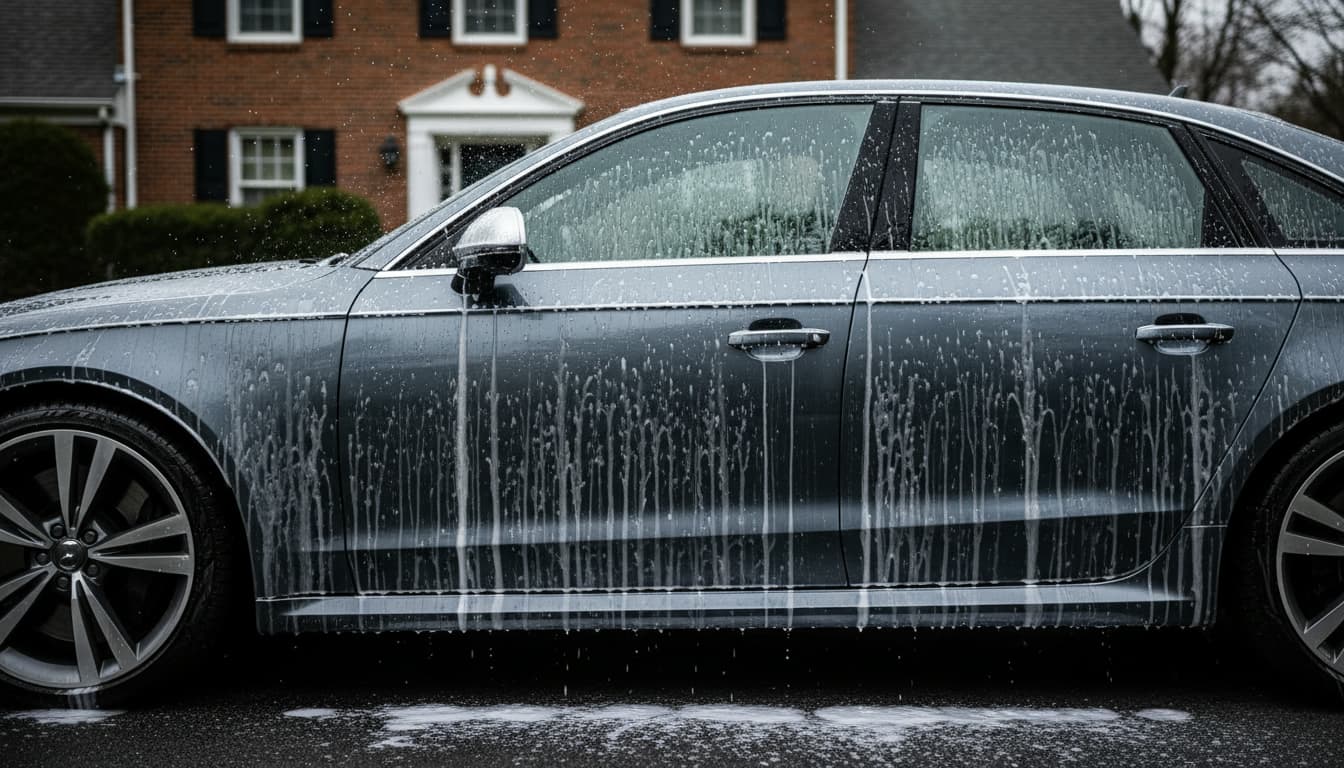
Summer is when cars look their best. It is also when the most paint damage quietly accumulates. The chrome gleams, the color pops in the golden-hour light, and underneath all of that the sun is breaking down your clear coat one UV cycle at a time.
By the time the damage shows up, you are usually two or three summers too late to fix it without machine polish.
What ultraviolet light actually does to clear coat
Your car's paint has four layers: bare metal, primer, color coat, and clear coat. The clear coat is the one doing all the work. It takes the UV, the heat, the contaminants, and the minor scratches so the color underneath stays protected.
UV radiation breaks down the polymer bonds in clear coat over time. The result is oxidation: the surface turns chalky, dull, and hazy. On white or silver paint it looks like a dusty film that will not wash off. On black or red paint the color fades in blotchy patches before the surface eventually starts to peel.
New Jersey summers run hot and bright. Most of the cars we see in Cherry Hill, Haddonfield, and Lawnside live outside full-time. A car roof sitting in direct South Jersey sun can reach surface temperatures well above 160 degrees Fahrenheit on a 90-degree day. Heat accelerates UV damage. The two together are harder on clear coat than either one alone.
The problem with wax in summer
Carnauba wax gives a car that deep, wet look right after a detail. In summer, that protection fades faster than most owners expect.
Carnauba starts to soften around 160 degrees Fahrenheit. That is close to the temperature a car roof hits on a hot July afternoon. A full day in a parking lot can partially melt the wax off the flat horizontal surfaces: the roof, the hood, the trunk. Those are also the panels taking the most direct UV. You are losing protection in the exact places the sun hits hardest.
That is not a knock on wax. A fresh coat still blocks UV better than nothing. But it is why a wax job done in April looks mediocre by August, and why cars relying only on wax for paint protection tend to show early oxidation on their tops before anywhere else.
What changes with a ceramic coating
A System X ceramic coating does not melt. It bonds to the clear coat at a molecular level and cures into a layer that handles the same surface temperatures as the clear coat itself, without losing its UV-blocking properties in the process.
The practical result: a coated car sitting in a Haddonfield driveway in July is still protected in September. The coating is not consuming itself the way wax does in the heat. Our 6-year System X coating is the right call for South Jersey owners who want real protection across multiple summers without scheduling a top-up every spring.
We have installed ceramic coatings for more than 253 customers across South Jersey, and the pattern we hear from the ones who waited too long is always the same. They kept the car clean, the paint looked fine, and then one July it did not. Oxidation does not announce itself. It just shows up one morning when the light catches the roof wrong.
What you can do this week without booking anything
If a coating is not in the immediate plan, a few habits meaningfully slow the damage.
Park out of direct sun when you can. A garage or shaded spot cuts UV exposure in half and keeps the surface temperature below the point where wax breaks down. It sounds too simple to matter. It does matter.
Rinse more often in summer, not just when the car looks dirty. Heat bakes contaminants into the clear coat faster in warm months. A rinse with the hose does not replace a wash, but it removes the fresh debris before it gets a chance to bond.
Use a spray detailer or paint sealant between full washes. These are not as durable as a paste wax application and nowhere near a ceramic coating, but they take two minutes to apply and give the paint a thin sacrificial layer between wash sessions.
Deal with bird droppings immediately. The acid in droppings etches clear coat faster in summer heat. A dropping that takes 48 hours to damage paint in October can start etching in a few hours on a hot July hood. Keep a small spray bottle with water and a clean microfiber in the car for this.
A note on timing if you are considering a coating
Summer is actually a reasonable time to book a ceramic coating, with one caveat. The car needs to go through a paint correction process before the coating is applied. We check the clear coat condition, remove any contamination, and machine-polish out swirl marks and early oxidation before the ceramic layer goes on.
If oxidation is already present, we address it at that stage. Catching the car before it reaches that point means less correction work, which usually means a cleaner final result and a lower total cost. A July booking on a car that has been garaged and maintained is often cheaper than an October booking on the same car left outside all summer.
Book before the heat does more damage
We come to your driveway across all of South Jersey, including Cherry Hill, Voorhees, Haddonfield, Audubon, and Lawnside. No drop-off, no appointment at a shop.
If you are not sure whether your paint is already showing UV damage, text us at (856) 562-9283 with a photo of the roof or hood in direct light. We will tell you honestly where things stand. No upsell to a service you do not need.
Book a ceramic coating quote here and we will get out to you before summer takes another season off the paint.
Keep reading
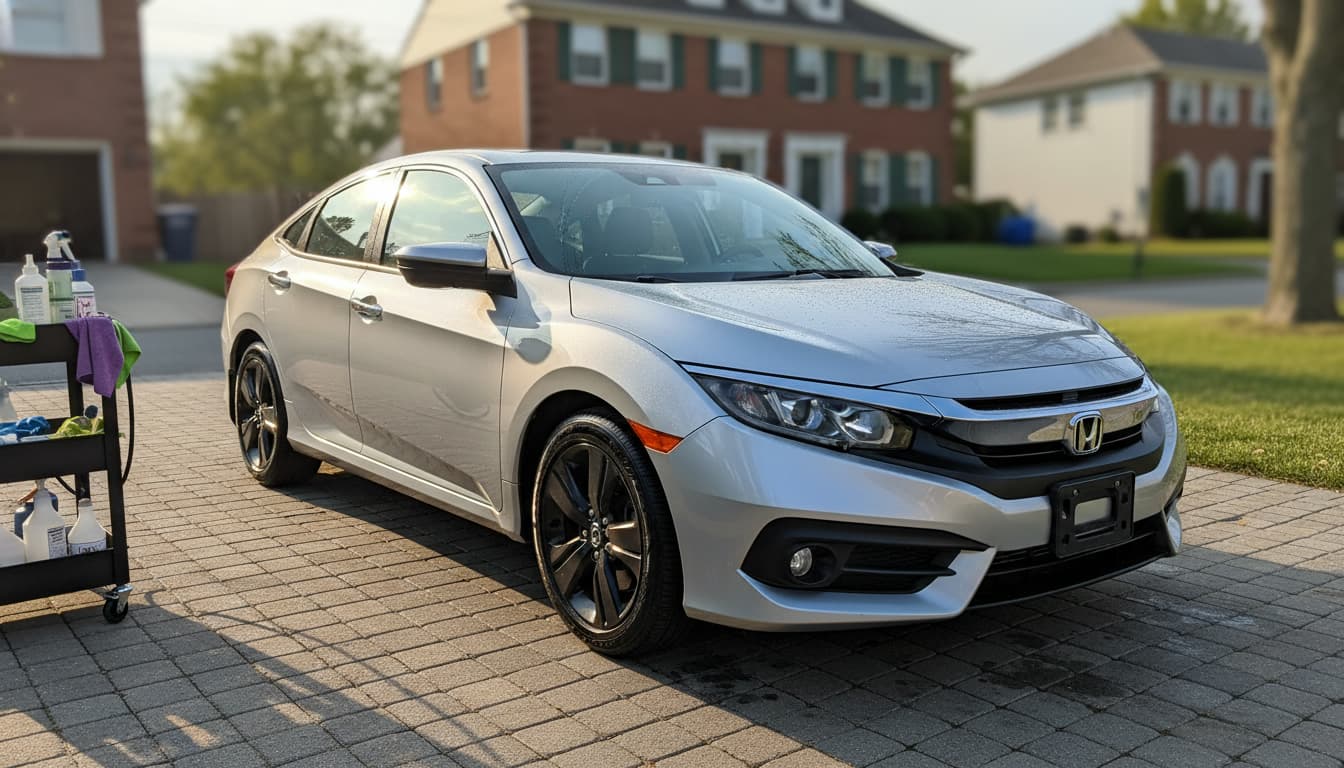
How Often Should You Get Your Car Detailed?
The honest answer depends on your car, your driveway, and which season we are in. Here is the framework we use with South Jersey customers.
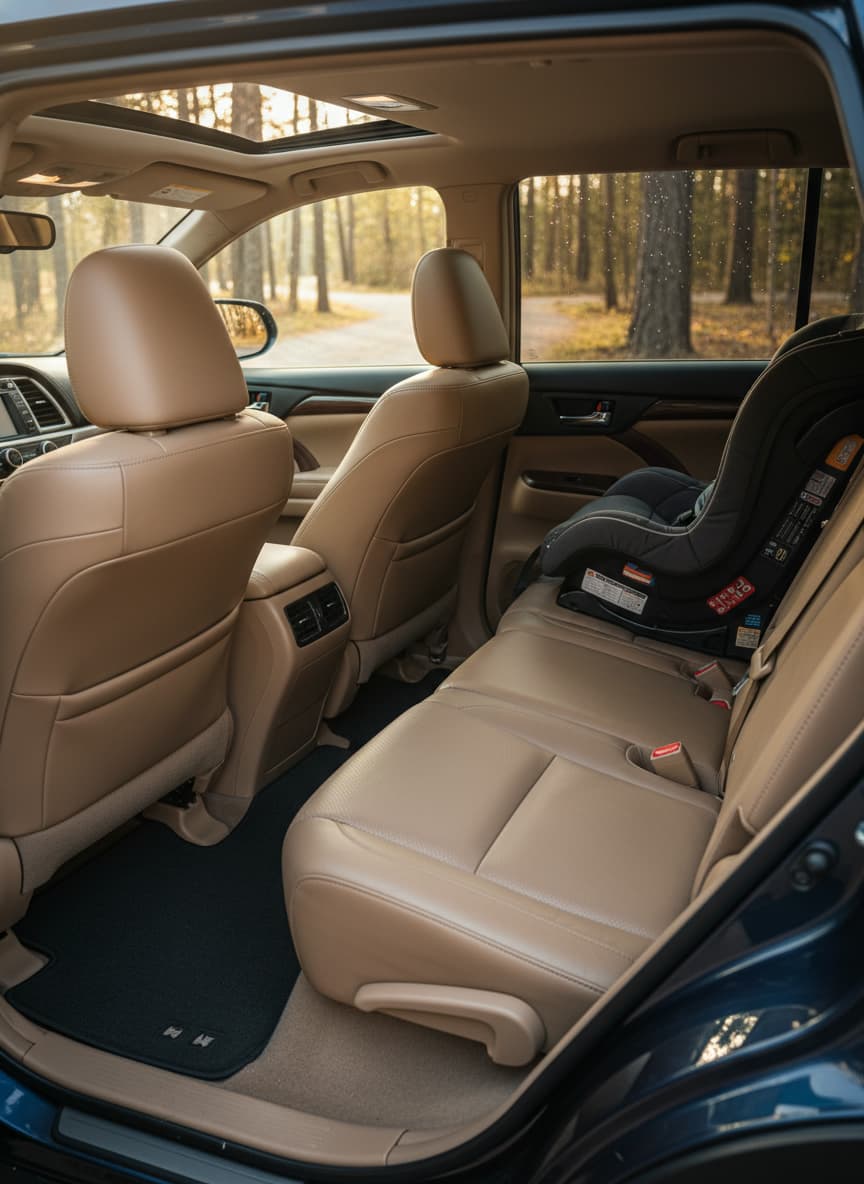
What a Full Interior Car Detail Actually Includes
The gap between a quick wipe-down and a real interior detail is about three hours of work and a stack of tools most people do not own. Here is exactly what goes into one.
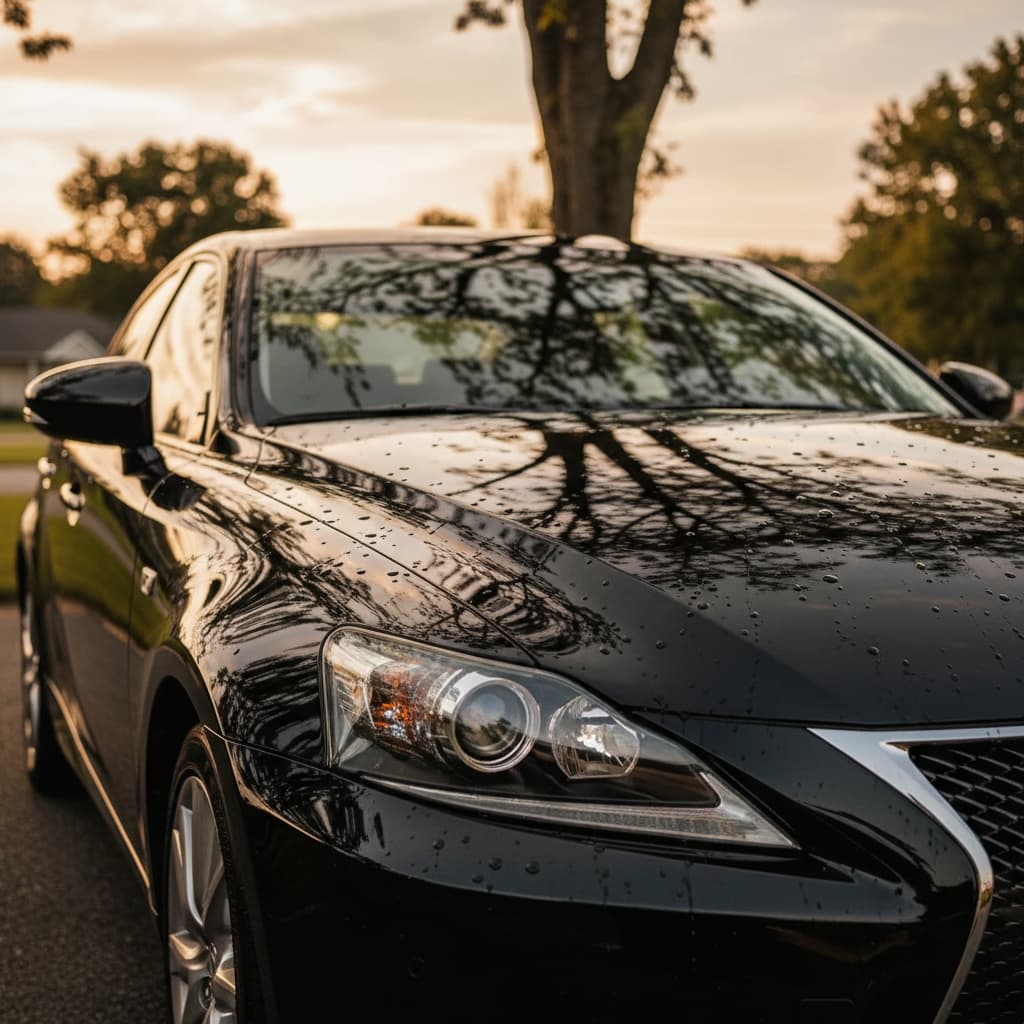
Paint Correction: What It Fixes (And What It Doesn't)
Not every paint defect polishes out, and knowing the difference before you book saves money and sets the right expectations.