Pet Hair in Your Car Seats? Here Is What Actually Works
Most removal tricks push hair deeper into the fabric weave. Here is the right order and the tools that clear it out for good.
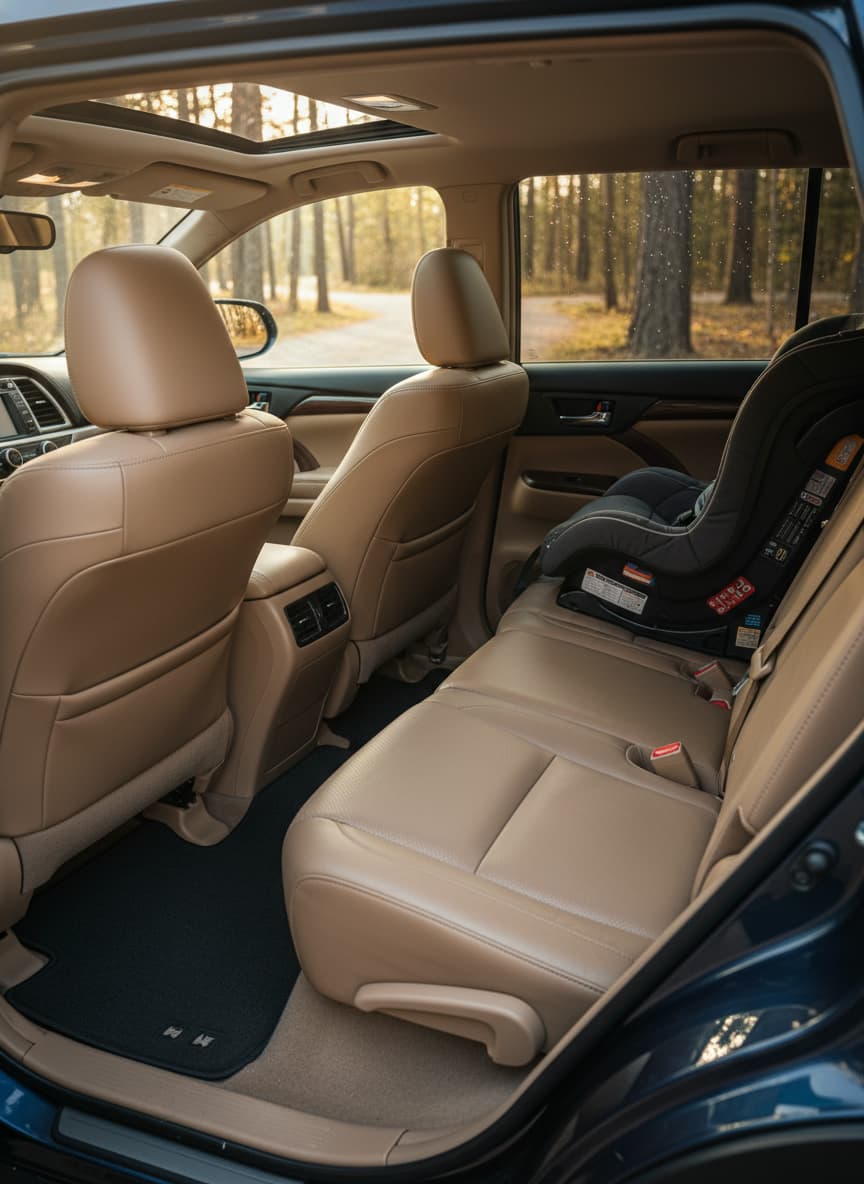
You can spend 30 minutes with a lint roller and pull off maybe half the pet hair in your back seat. The other half has worked its way into the fabric and will not budge until you understand what is actually holding it there.
Pet hair is not just sitting on top of upholstery. Individual strands have microscopic barbs that hook into the loops of fabric or carpet fibers. Static electricity from a warm car makes it worse, pulling the hair tighter against the surface. A roller or a dry hand pass lifts some hair off but can drive the barbed ends deeper with pressure. The harder you roll, the more you pack in.
Here is the method that actually works, in the order that matters.
Start dry, not wet
This is where most people go wrong first. Spraying water or upholstery cleaner on a hairy seat before removing the hair traps it. The fibers swell and the hair locks in place. Always clear as much dry hair as possible before any liquid touches the fabric.
The rubber glove pass
Put on a latex or nitrile glove. Barely dampen it - not wet, just slightly damp from a quick water swipe. Run your gloved hand across the fabric in one direction, using moderate pressure. The rubber creates friction and a mild static charge that lifts hair out of the weave and rolls it into a clump you can pick up.
This works on cloth seats, carpet, and velour. Work in sections, rolling hair toward you into a pile, then removing the pile before moving on. Start at the top of a seat back and work down so loose hair falls onto areas you have not cleaned yet.
A stiff bristle brush after the glove
Once the glove pass removes the surface layer, use a stiff upholstery brush in short, back-and-forth strokes. This dislodges the embedded strands the glove missed. A rubber pet brush works well here. A nylon scrub brush from the cleaning aisle also does the job.
Do not use wire brushes. They strip fabric surface threads and leave the seat looking worse than the hair did.
After brushing, do one more glove pass to pick up what the bristles loosened.
Vacuum last, not first
The common instinct is to vacuum first, but a standard shop-vac nozzle mostly moves air around the hair rather than pulling it out. After the glove and brush steps, vacuuming becomes effective because the hair is already loose and standing off the surface. Use a crevice tool along seam lines and an upholstery attachment on flat surfaces.
Most of the pet hair we see on interior detail jobs could have been cleared with this three-step sequence. It shows up worst in the seam gaps along seat backs, between the seat base and center console, and in the carpet under the rear seat.
Leather and leatherette
Leather and leatherette do not embed hair the same way fabric does. The surface is smooth, so most hair sits on top. A dry microfiber cloth in one direction handles most of it. Follow with a slightly damp cloth if static keeps pulling hair back, then condition the leather afterward.
What damages leather is the bristle brush. Skip the bristle step entirely on leather and leatherette, and do not use rubber gloves on a bare leather surface without testing a hidden spot first.
Recurring maintenance keeps it manageable
The longer pet hair sits in upholstery, the deeper it works. A car that gets a full interior clean every 4 to 6 weeks never builds up the kind of embedded layer that takes hours to clear on a first-time detail.
If you have a dog in the car weekly, one rubber glove pass on the back seat whenever you wash the car cuts the embedded hair by half before it has time to set. That 5-minute habit is cheaper than any product.
What a professional interior detail covers
When pet hair is a factor on a detail visit, it adds time to the job. We do not skip steps or rush the extraction phase to make the numbers work.
The approach we use: remove everything dry first, then shampoo the upholstery. When you reverse that order and shampoo over embedded hair, you are cleaning the dirt off the hair instead of cleaning the fabric. The hair stays, the stain lifts, and the seat still looks off.
Customers across Lawnside, Cherry Hill, Haddonfield, and Voorhees who keep their cars on a maintenance schedule - more than a few of them call it out in our 253-plus five-star Google reviews - say the difference between a first deep clean and a maintenance visit is dramatic. By the second or third regular visit, the hair never builds past the point where 20 minutes fixes it.
If the smell stays after the hair is gone
Pet hair and pet odor are separate problems. Removing the hair removes part of the odor source, but if urine or dander has soaked into the carpet padding below the upholstery, a surface clean does not reach it. That requires an enzyme-based cleaner with a longer dwell time. If you clear all the hair and the smell stays, let us know when you book and we will tell you exactly what that job involves and what it costs.
A quick note on prevention
A pet seat cover or hammock-style liner in the back seat is the cheapest long-term solution if you have a regular dog passenger. It keeps hair and nails off the fabric entirely and takes 30 seconds to remove and wash. The detail visit afterward goes from two hours to 30 minutes.
If the hair is already there and the seat is due for a reset, the Triple T Package is the full treatment - interior shampoo, vacuum, leather conditioning where applicable, and a clean finish. We bring everything to your driveway anywhere in South Jersey. No need to drive the car anywhere.
Text us at (856) 562-9283 or book online here and mention pet hair in the notes so we can plan the right amount of time for the visit.
Keep reading
The Real Reason Your Dashboard Cracks by Year Three
It is not age. It is UV exposure with nothing between the sun and your plastic and leather, and a South Jersey summer is the fastest way to speed up the clock.
What Summer Heat Does to Your Car's Paint in South Jersey
UV and heat cycles quietly degrade your clear coat all summer. Here is what is actually happening under the surface, and what slows it down.
How Often Should You Get Your Car Detailed?
The honest answer depends on your car, your driveway, and which season we are in. Here is the framework we use with South Jersey customers.